
29 Nov 2026
Several Cables, One Entry: Sealing Options That Hold IP68
Two cables through one gland never seals. Three workable options cover the rest: multi-hole inserts, junction connectors, or a second hole.
Read articleWorking notes on enclosure sealing — why a sealed box still needs to breathe, how to size a cable entry, what an IP rating does and does not promise. Written for the engineer who has to sign off the drawing, not for a search engine.
Every opening cut through the wall of a sealed enclosure is a decision: how big, what thread, which seal, and what happens when the cabinet heats up at noon and cools down at two in the morning. That decision is what these notes are about.
A sealed cabinet is not an empty box. The air inside expands and contracts with every thermal cycle, and the gasket absorbs that load until it stops recovering. How much pressure a cabinet actually develops at a given temperature swing, how to size a vent against it, and why a membrane that passes air still holds water out.
Most leaks on an outdoor cabinet are not at the vent. They are at the cable entries, and usually because the gland was chosen by thread size alone. How to match a gland to the cable outside diameter, how many entries a cabinet really needs, and what changes when a gland has to vent as well as seal.
IP68 is not a quality mark, and a higher number does not mean a better part. Each rating describes a specific test condition agreed between maker and user, and two parts marked IP68 can have been tested in very different ways. What the two digits actually measure, and where the rating stops being useful.
The useful information is in the parts that came back. Condensation forming behind a gasket that passed its validation, a membrane blinded by dust, an O-ring that hardened two winters early. What the failure looked like, what the measurement said, and what changed in the specification afterwards.
How these notes are written. If a number appears, it came from a measurement on a specific part and the note says which one. Product announcements, market forecasts and anything that cannot be traced to a test record or a standard do not belong here — those are better read on the page of whoever is selling them. Notes are added when the same question arrives often enough to be worth writing down, not on a publishing schedule.
Nine notes published so far. The list below is also readable without JavaScript.
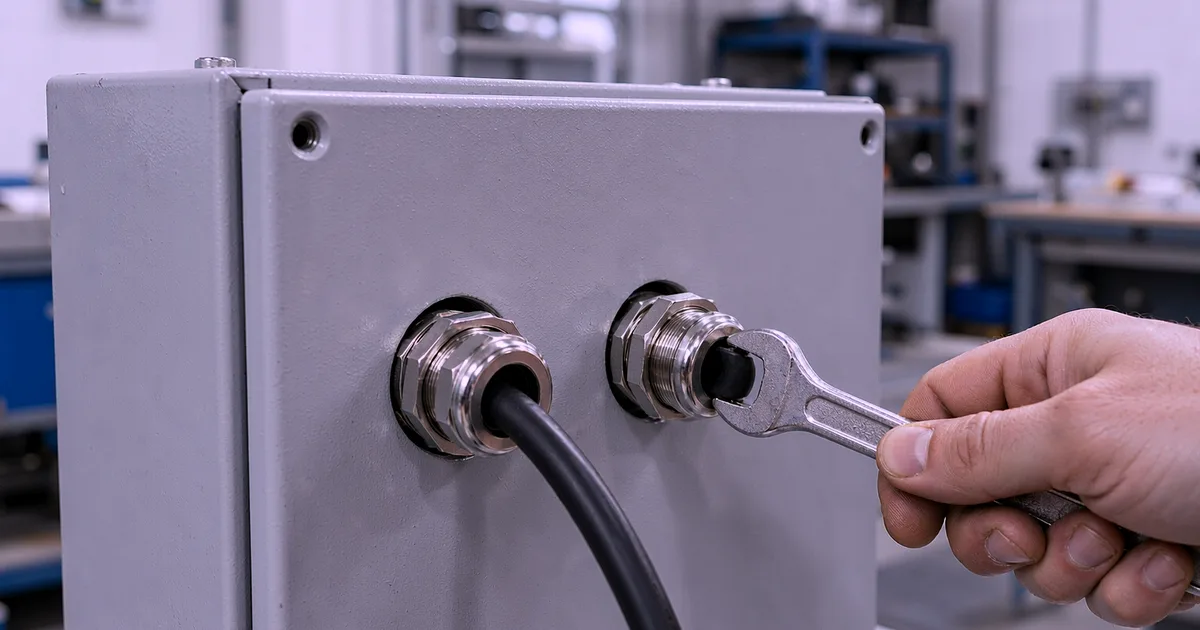
Two cables through one gland never seals. Three workable options cover the rest: multi-hole inserts, junction connectors, or a second hole.
Read article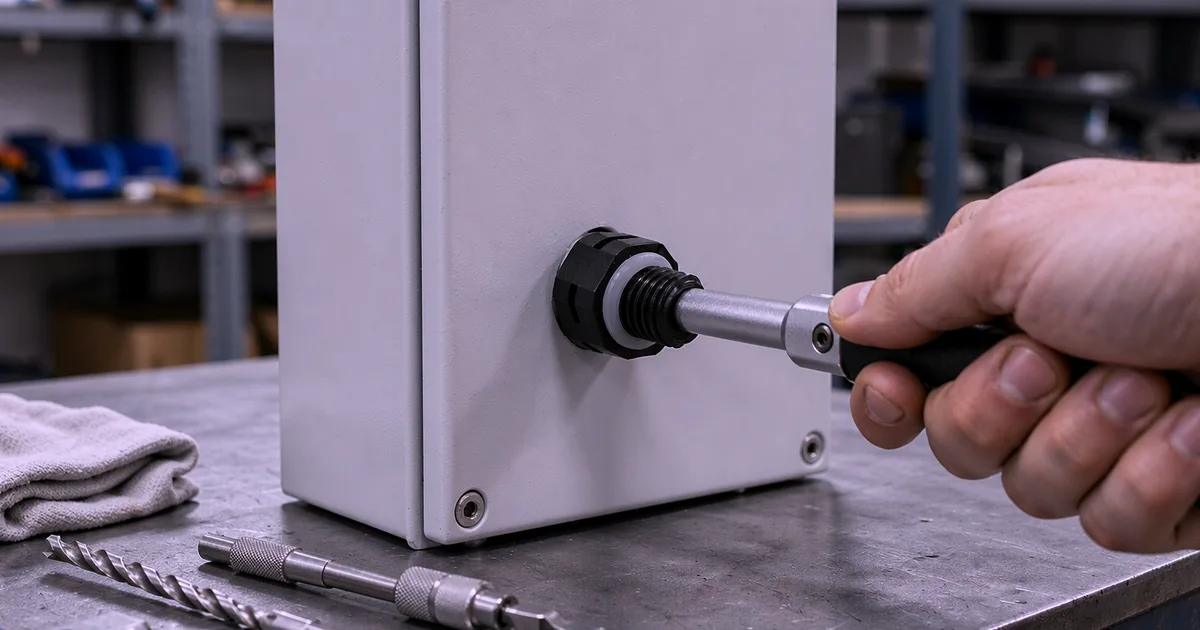
Most vent leaks come from the install: a hole drilled wrong, a body over-torqued, or a position where water pools. The sequence that avoids all three.
Read article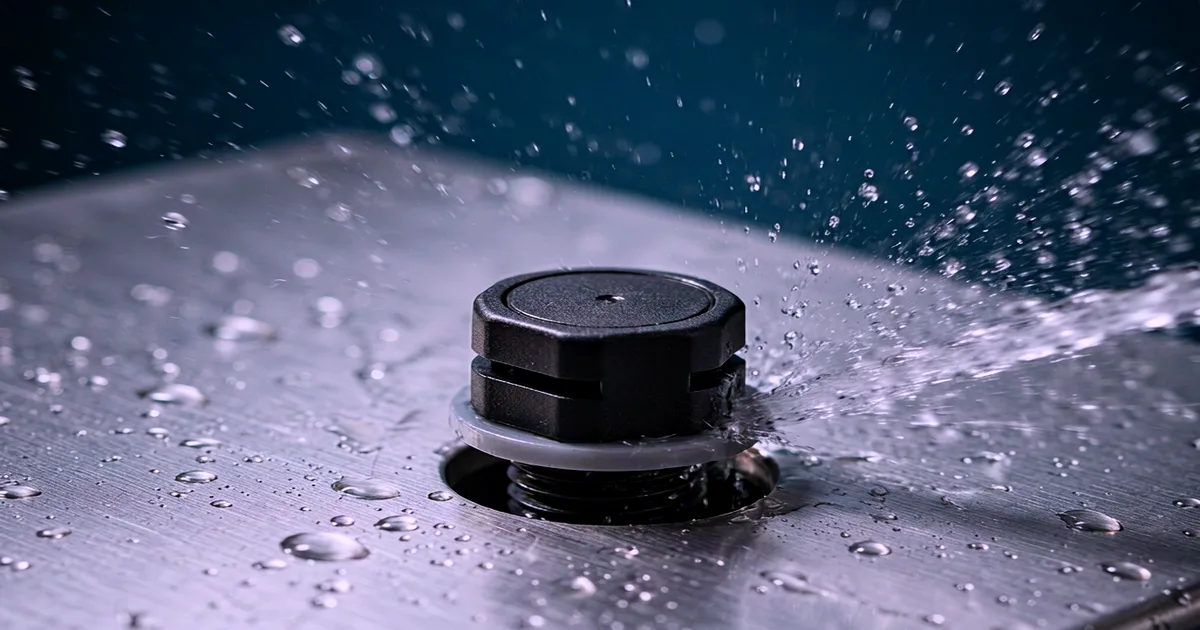
An IP69K cabinet and a breather vent are not enemies. The membrane decides whether both survive a caustic, high-pressure washdown line.
Read article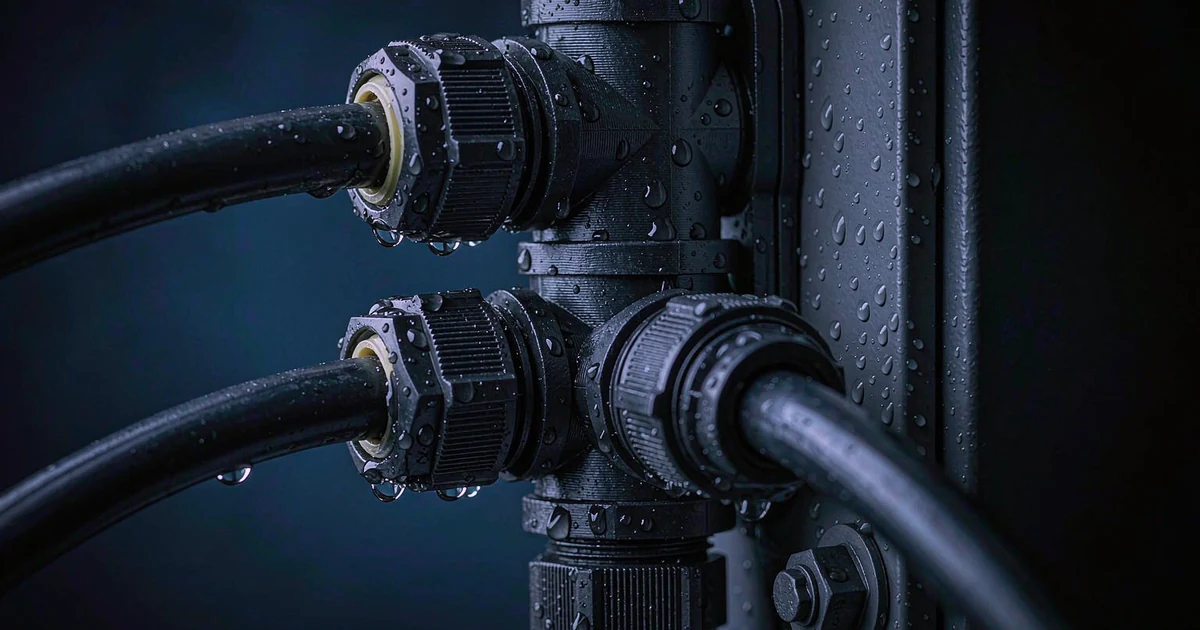
A three-entry junction connector carries three separate seals, and the IP68 grade is set by the entry whose locking range does not match its cable.
Read article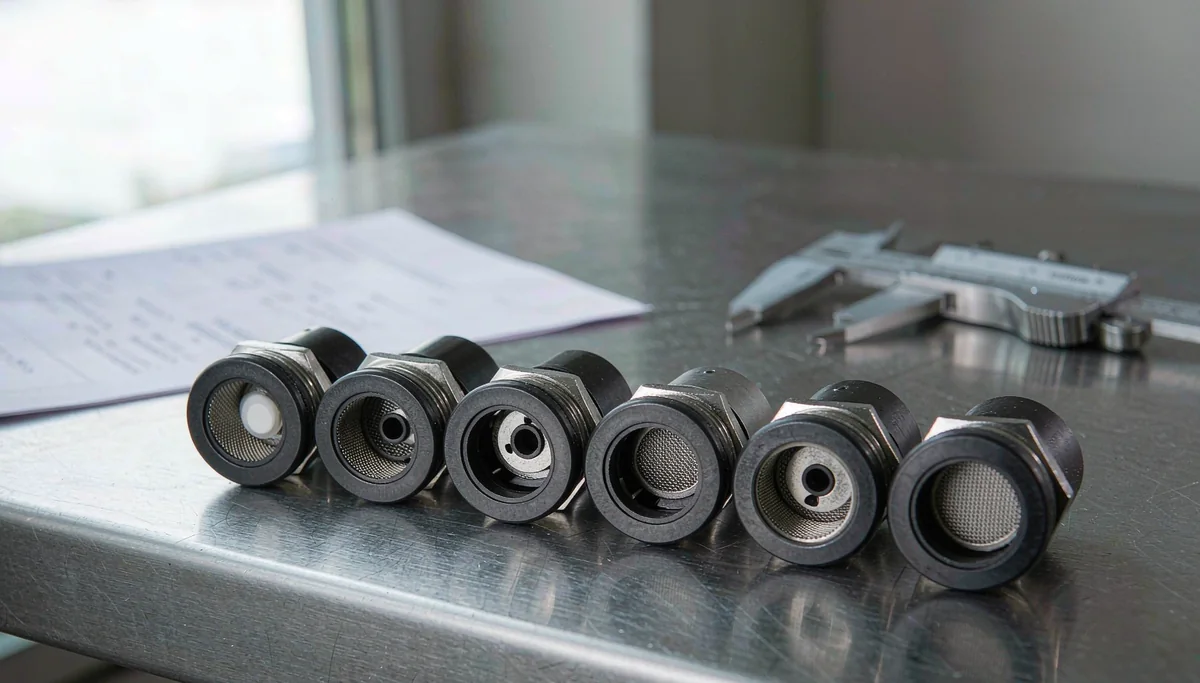
Same M12x1.5 thread, airflow published from 9 to 300 L/h. Most of that gap is test pressure and unit choice, not product quality.
Read article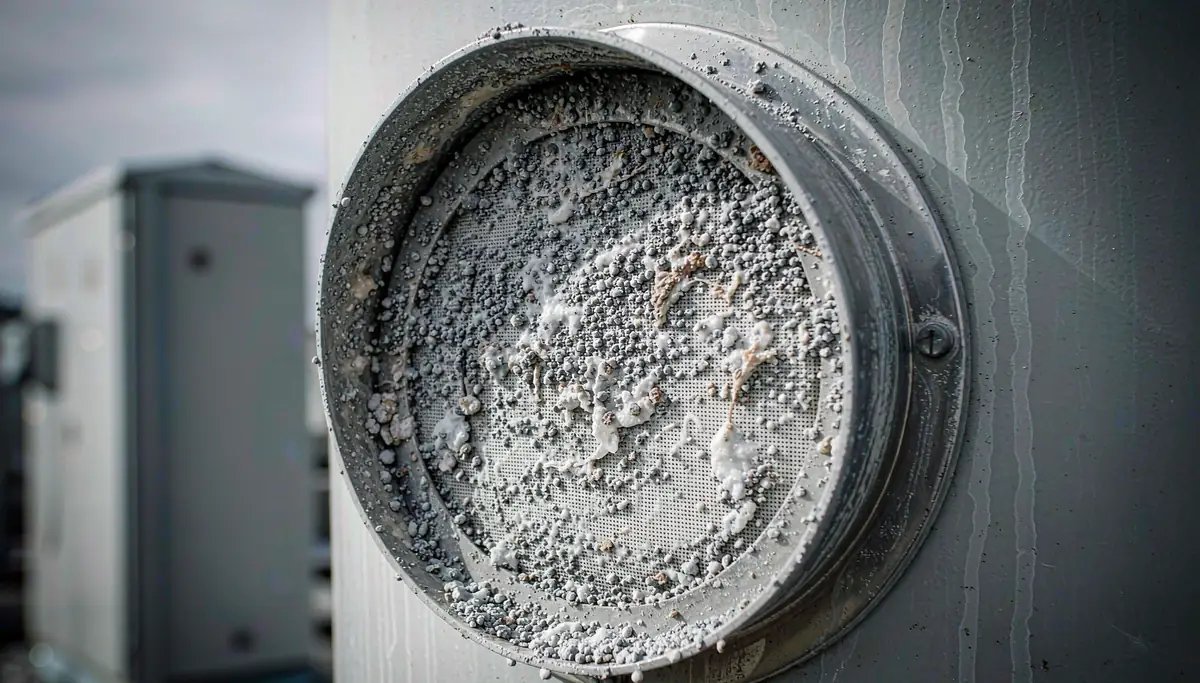
A dust-blocked vent plug can still pass its IP68 retest. The IP code measures ingress, not airflow. What the test leaves out, and how to check it.
Read article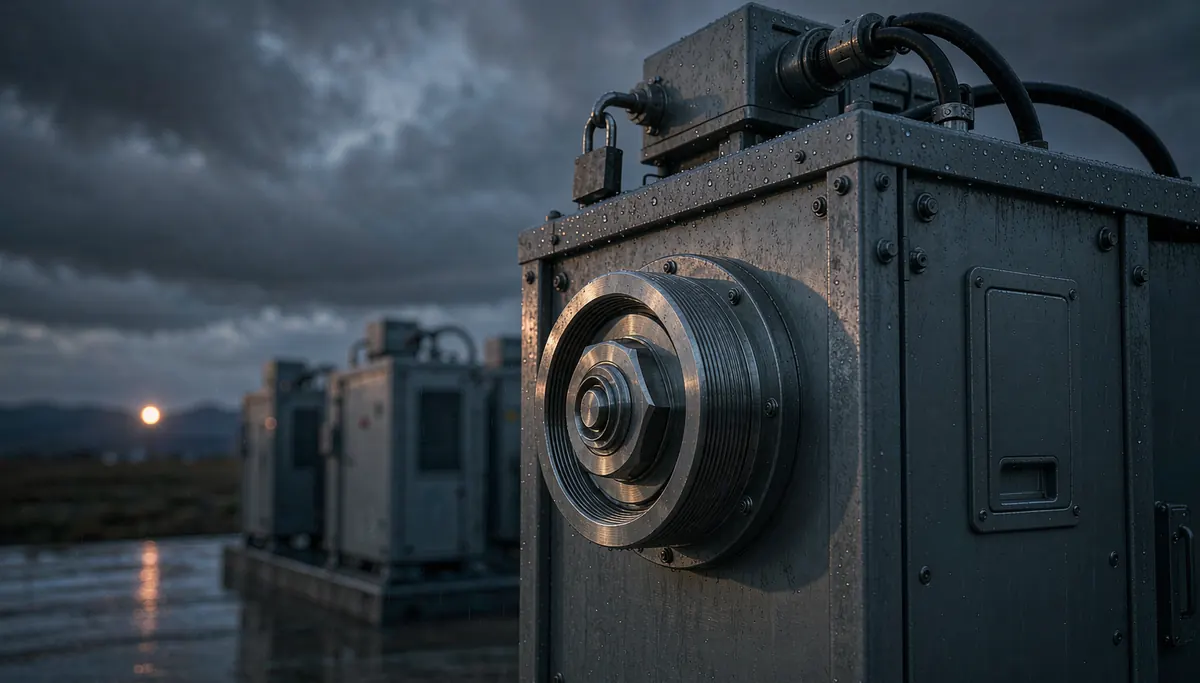
BESS cabinets face two pressure events: daily thermal breathing at tens of mbar and a runaway at tens of kPa. One part cannot do both.
Read article
IP67, IP68 and IP69K test three different things. One fixes its depth, one leaves it to the buyer, one fires 80 C water at 100 bar. Where a vent stops.
Read article
A sealed IP68 enclosure still collects water inside. Why condensation forms, what the rating actually tests, and how a breathable vent equalises pressure.
Read articleLonger guides, kept current as parts and test data come in.
We publish when we have something specific to say — real thread sizes, real airflow figures, the failure modes we actually see in the field. In the meantime, the technical guides below answer most of what buyers ask us.
Breathable cable glands Cable gland size chart Vent plug size chart
The article service did not respond. Refresh the page to try again — if it keeps happening, email sales@honvale.com and we will send the information directly.
Send the enclosure, the environment and the thread you are working to. We will tell you what will hold and what will not.